Dim morning washes
Neighborhood’s winter gardens
Pushing seed dreams deep.
Last Night
Out with my girlfriends
Cooking up fat money schemes
Big fish frozen pond.
Haiku XXXIV

Street crowds push edges
Twenty six stories fall off
Darkness sparkling peace.
Haiku XXXIII
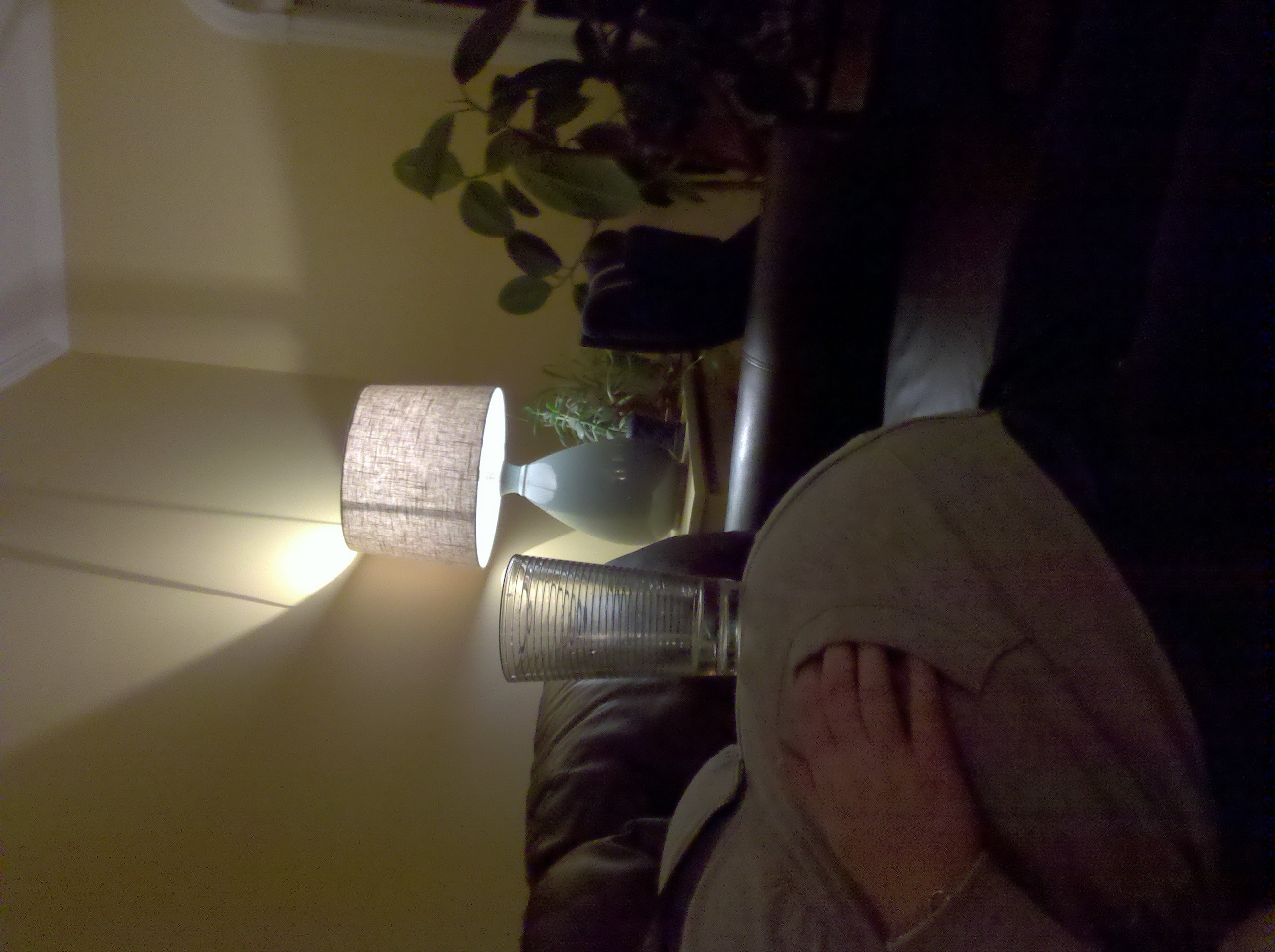
Built in belly shelf
Baby curled and growing fat
What a world to come!
Haiku XXXII
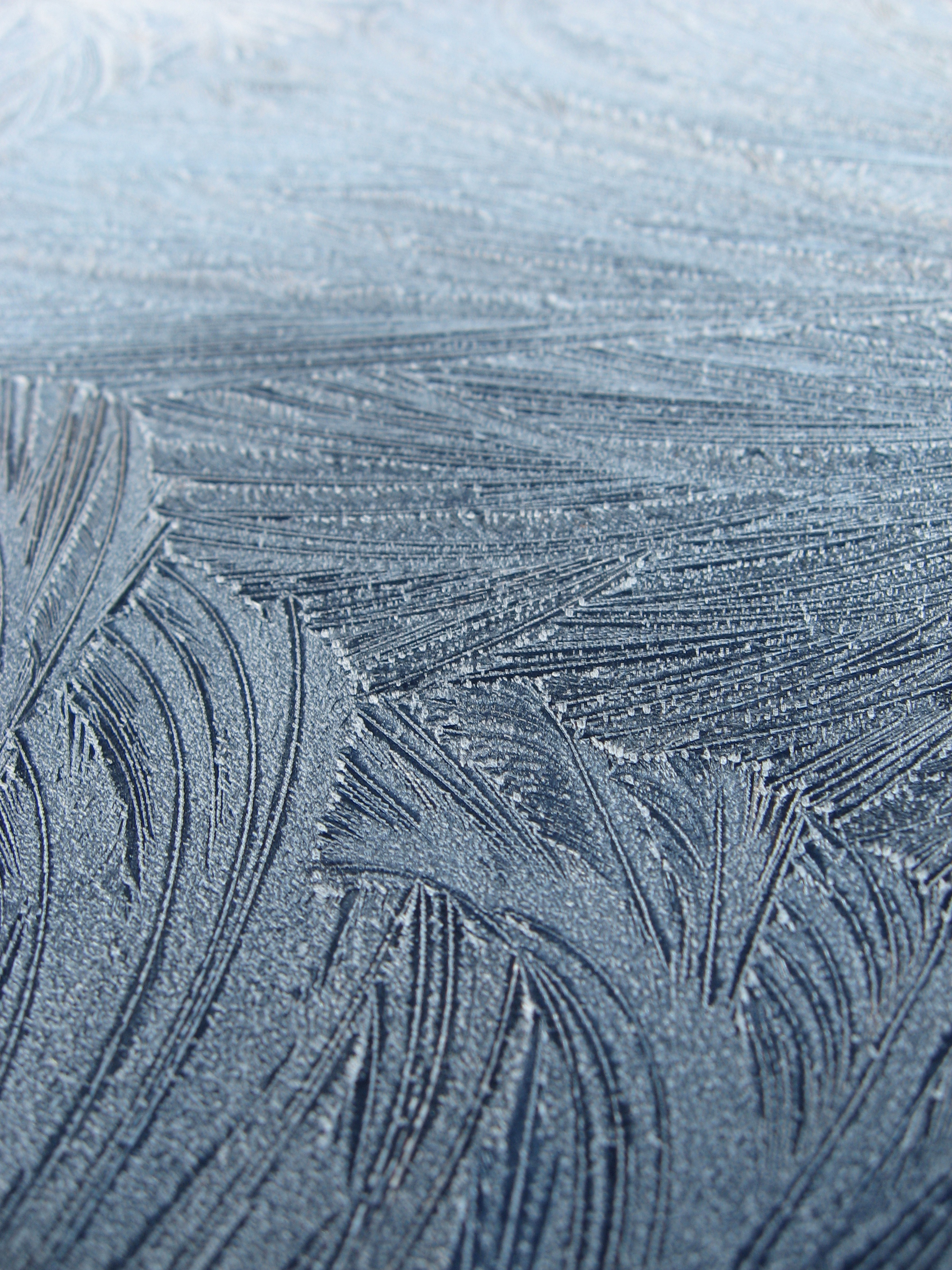
Lake froze overnight
Snow dust clouds swirling down wind
Ice patterns of spring.
Haiku XXXI
Water’s character
Flowing, frozen, fringed with ice
Winter settles in.
Haiku XXX

Cold city morning
Sun still moving further south
We bundle, walk, wait.
Haiku XXIX and Thoughts on Doubling Back

Waiting at the gate
Another late departure
Change flights to leave home.
So here I am at the airport, hours earlier than needed because my flight through Philadelphia is late enough there’s a good chance I’d miss my connection to Minneapolis. So I took a seat on another flight through Chicago, which leaves two hours later than my original flight and gets me to Minneapolis over an hour later than planned. Which is an hour later than my body time, since I’ll be flying through that invisible line where the clocks jump back an hour.
I keep walking back and forth between my new gate and my original gate to see if the delayed Philadelphia plane is here yet. Maybe I should stay with my planned itinerary, I’ll get to Minneapolis earlier, I won’t have to wait around here so long? The plane still isn’t there. I walk back to my new gate — empty, no one at the gate counter yet to give me new boarding passes. So back to the original gate, nothing new, turn and walk back down the long tiled corridor of the airport to a cafe and check out the menu, decide to go eat at the grill down past the other gate, walk back, eat, come back to the new gate, walk back to the old, back and forth, leave or stay? No choice really, there isn’t a plane at either gate.
Yesterday morning David and I spent about an hour working on a poem for a holiday card that explores the idea of doubling back, of duality, of two things happening at once, two poets simultaneously writing the same poem. Then we packed up and left to meet up with Ruth and Rick for a hike of Mt. Hedgehog. The afternoon turned sunny and the hike was glorious, a trail dusted with snow rising through hemlocks and hardwoods to ledges that ring the mountain, opening up grand views of Passaconaway and Chocorua rising to the south.
We’d planned the hike for the narrow band of afternoon light, so we’d finish in time for an early dinner. But we planned it too tight and ended up still on the trail when it got dark. I pulled out my headlamp and David got out his flashlight, neither shedding much light due to low batteries. The trail at first was easy enough to follow, but then the wide open strip lit with snow dust crossed a brook and we couldn’t tell if the trail turned with the brook or crossed it. I started hunting for blazes, walking up and down the different possible directions, finally finding a blaze. We continued on a wet, sunken trail bed but then had doubts. Were we following a brook, or on a badly eroded trail? Again, I went back and found a blaze on a tree and a culvert sticking through the gravel. We continued on. I stepped in a deep puddle and water poured into my boot. I plowed through water and wet ground, then came to a narrow swatch and couldn’t find any footprints. I turned around and looked for the last blaze, found one and turned again, lost confidence and went back. Doubling back, going forward, doubling back, going forward, David and Rick and Ruth letting me lead. I pushed through the blackness of low shrubs at the narrow swatch and swung my head down. Footprints in the gravel in front of me. “This is it,” I said and kept going. Soon I came to a foot bridge and signs. We got out of the woods, laughing and relieved, all agreeing that was enough dark hiking to make an adventure we didn’t need to repeat.
Last night we got to our cars and a dinner in front of a roaring fire in a pub. Tonight I hope I get to Minneapolis.
Haiku XXVIII

Morning fire glows
Dissolving the night’s chilled air
Heat settling home.
Funerals
Two summers ago when Aunt Freda died, David and I stopped in Worcester, where Sam was living, to pick him up on the way to the funeral in Connecticut.
“I told someone I was going to a funeral,” Sam said as we drove south. “And he said he’d never been to a funeral. ‘What?’ I said. ‘You’re a senior in college and you’ve never been to a funeral? I’ve been a pall bearer like six times.'”
Eric came from a close family, with small generations. His mother had four siblings, and of the five in that generation, only two had children, five total, and of those five, again only two had children, again totaling five. Three generations of five meant that my children, two of the third set of five, had numerous great aunts and uncles who were like grandparents. Every trip to Connecticut to visit Eric’s parents included all these aunts and uncles who’d never had children of their own. Adrienne and Sam were like grandchildren to them, and family gatherings and festivals and parties were rich with an older generation, full of love and delight in watching our children grow up.
But the other side of that richness is the loss. Over the past 30 years, we’ve lost ten close relatives, and only Natalie, Eric’s mother, is left. Last Wednesday morning, Natalie’s brother Ben didn’t show up at schul as usual, didn’t make his usual morning calls, and his phone was continually busy. Burton, Eric’s cousin, went over to his house and saw through the window that Ben was sitting slumped in his reading chair. The newspaper was scattered on the floor and the phone was off the hook.
The funeral was Friday, early, because the burial couldn’t be done on Thanksgiving, the funeral home said they wouldn’t do it. To obey religious law, the burial needed to be completed before mid-day, which the Rabbi determined meant 11:35. So at 6:00 a.m. I was scraping ice off my car to make driving peep holes, and got on the road.
When I pulled into the funeral home, the men in dark coats were waiting. “Are you going to the cemetery?” When I said yes they had me pull my car into line, gave me an orange tag for my rear view mirror, and put a suction cup flag on my car. “Funeral,” it announced, black letters on orange. After the service, we made the familiar drive, headlights on high beams, emergency flashers blinking, through New Haven, across the harbor, to the cemetery in East Haven.
As we drove down the narrow lane with the fenced cemetery on either side, I watched the head stones flashing behind the iron fence rails. The clouds that had produced ice up north and rain in New Haven were lifting. Cars were turning in the muddy circle at the end of the lane and coming back towards me, pulling over to park heading back out to the main road. Cars in, cars out, fence rails slipping by black and straight, dark faced stones carved with name, Hebrew and Stars of David, people getting out of cars and walking through the gate to the small tent next to the new grave. I took Natalie’s hand and helped her to a seat.
After Aunt Fagel’s funeral, the year before Eric died, I said to him, “You introduced me to all these old people in your family who I love and now they’re all dying. It’s hard to lose so many people.”
“Ah,” he said. “But they weren’t old when I brought them into your life.”
 Grace Mattern