Syllables of Time

Two weeks ago David and I went to the opening of a show of Catherine Tuttle’s paintings at McGowan’s Art Gallery.  The paintings were vividly interpreted landscapes of the White Mountains, seen from a hiker’s perspective.  A few of our hiking friends were also at the opening, and we had fun showing each other which paintings we’d love to own, to have a favorite view at home with us all the time.  David’s friend Bob, another painter, was also at the opening, and the three of us were talking about establishing a practice of art.

“I’m painting every day,” Bob said.

“I’ve started writing a haiku every day,” I said.  “It’s a way to have at least 17 syllables of time a day that isn’t about working.”

“Why did you say syllables of time?” Bob asked.  “Why would you say time?”

“Because that’s how I think of it,” I answered.  Bob talked about a recent book by a local author, Turn and Jump: How Time and Place Fell Apart.  Bob had read the book and its essays on how time and place were closely connected in the past, when small towns set their own pace by the rising and falling of the sun, before the frenetic calculation of every minute of most days by schedules and appointments and things that have to be done right now.  I’ve been exploring the theme of time in my poetry for decades, and have an entire manuscript of poems that is mostly a mediation on time, physics, and the immutable laws of the physical world that underlie the mystery of consciousness.  Where does time exist?  It can’t be measured, but we all experience its passing.  It has no physical dimension, but controls how we move through our day every day.  Just the word move implies time, as any change in physical location, awareness, feeling, consciousness, anything, requires the passage of time to be perceived.  Something is one way or in one place, and then it’s not.  That takes time.

“I think part of being retired,” Bob said, and he is, “is reconnecting time and place.”  I need to read that book.  Today’s Haiku:

Dark morning, dark day
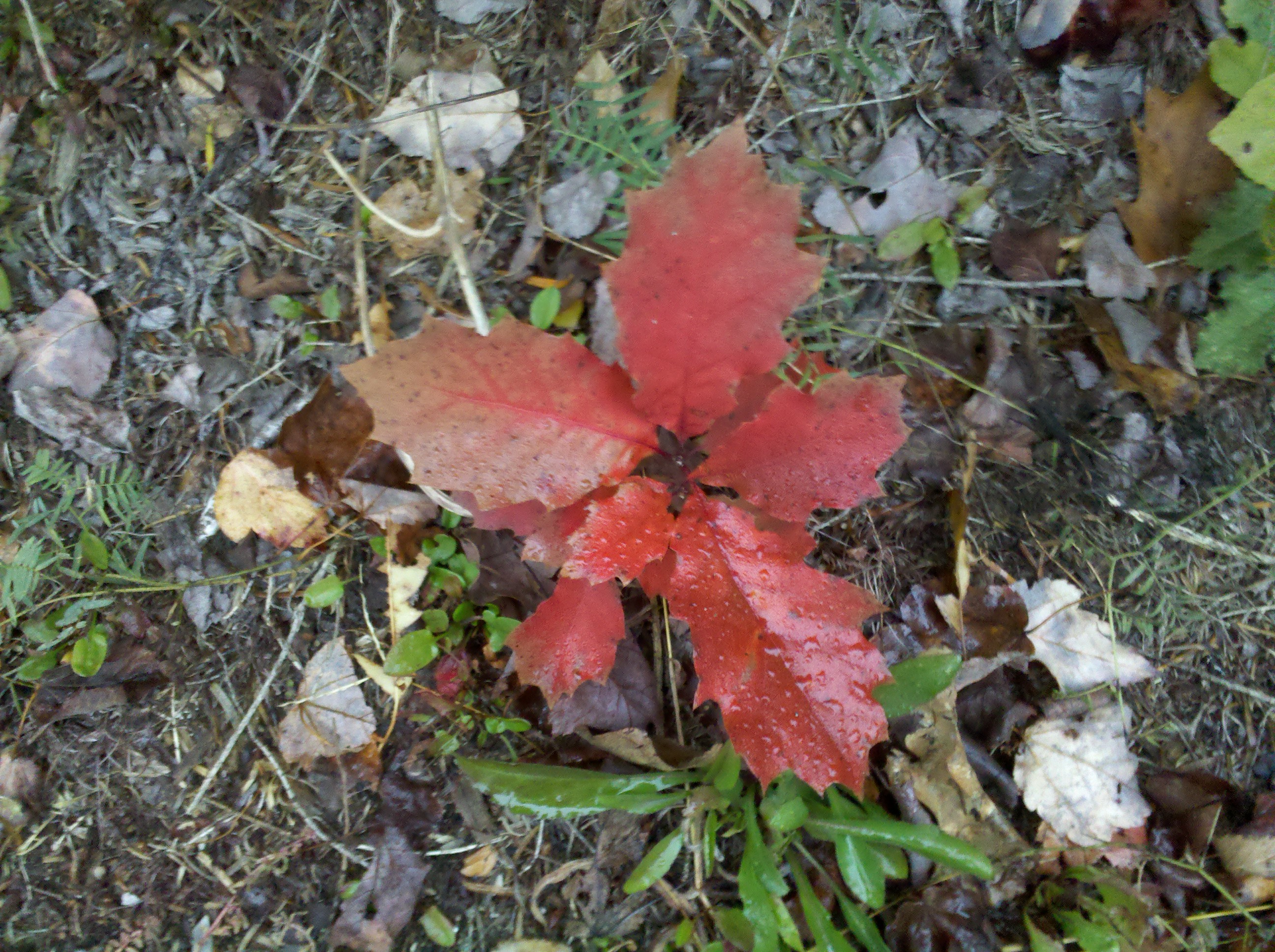
Rain stripping the last brown oaks
Syllables of time.

Country Weekend

This slideshow requires JavaScript.

“I’ve been practicing Noel Coward quips all week,” David said as he, Mackenzie, Daisy and I drove west on the Mass Pike.  “I’m going to be a country weekend house guest!”  We were on our way to spend a  weekend at Daisy’s Dad and his girlfriend’s country house, in the Berkshires.  They’re from Manhattan.  We’re from the country.  We spend a lot of weekends in the country, but not in the country house of a New York couple.  We have people come spend country weekends in our house.

As soon as we arrived, Daisy’s Dad came out to greet us.  Dad’s girlfriend came to the door, then out onto the brick walkway, lined with boxwoods and hydrangeas.  There behind them was the house, a country dream.  An antique colonial, the house sat with an aged authority on its patch of meadow.  We went in to examine and admire the original plaster and paint on the walls and woodwork, the artfully hung art, the fireplaces and mantles with age softened colors, and windows with glass so authentically old and rippled none of the windows open in the main part of the house.  The former owners who restored the house didn’t want to risk breaking any of the old glass by making the windows functional.

The “new room” was built from old carriage sheds that formed an ell at the back of the house.  At the end of the room, on either side of the fireplace, were full wall windows.  The seed heads of ornamental grasses flagged in the wind just outside the glass, with a meadow beyond the garden, then trees and then the line of one mountain dipping into the next drawing the horizon.  A living masterpiece. 

Sunday morning we got up to coffee and the NY Times at the thick, wooden kitchen table.  David and I went for a walk, past the dairy farm next door, down the slope of a field to the winding river, the mountains darkening as rain spit in fits.  Then a rainbow arched over the clouds ahead and disappeared into the blue-black clouds to the west.  We talked about children and parents, love and loss, ambition and expectation, and the tangled twist of family we’ve found ourselves in, moving together through a meet the parents weekend without a full set of parents among us.  Yet there is no tangle, just simple threads of love and connection and a weekend built around talking, looking at books of poetry and art, and eating together. 

Daisy has been learning the art of bread baking and brought a cinnamon loaf and the dough for baguettes.  Saturday night, before dinner, Daisy baked the baguettes.  They came out with a perfectly crisp and chewy crust and smooth and light on the inside.  We gathered in the kitchen, artisan cheeses, a rose of roasted figs in a grape leaf and sliced pear on a platter, and broke bread together.  A blessing slipped through me and went out into the country air.

Haiku Hiatus

Haiku hiatus
Who makes rules, who enforces
One breath, trap door step.

I’ve been out on the internet, looking at haiku blogs, and found many haikus that don’t conform to the usual 5-7-5 syllable scheme, with seasonal images and a turn of some sort.   One blogger said a haiku is essentially an experience expressed in a single breath, that’s all.  No other rules.  While the Wikipedia definition does point out that the 5-7-5 scheme is part of traditional haiku, that refers to moras in Japanese, which aren’t the same as syllables in English.  The definition does include a seasonal reference, and some sort of turn to another image, or a “cutting word.”

Right now, none of that seems particularly relevant.  The fly trying to escape the coming winter is buzzing like mad at the sunny window in my study.  Very annoying, which fits my mood.  It’s been a packed week with too many late nights working and too much clutter in my head to stay focused on 17 syllables expressions, whether a single breath or not. 

Another trap door has opened up in my life.  I got the “trap door” reference from Forrest Church’s book Love and Death.  He talks about the sudden challenges and losses in life as trap doors — grave illness, the death of a loved one, those life events that make you take a sharp turn to the left, or right, or maybe not a turn at all but a fall through a gap in the floor.

Cancer had been marching closer for two weeks.  First, the partner of a friend at work was diagnosed with a plum sized tumor on her ovary.  Then another close friend’s husband was scheduled to start hormone treatment for his prostate cancer, a step they’d been putting off as long as possible due to the grim side effects.  Then my sister, a breast cancer survivor of 19 years was diagnosed with cancer on her spine.

Suddenly the floor in front of me is an open door and clunk!  I’m in the basement again.  Okay, I know the basement.  Get out the flashlight, stoop so I don’t hit my head on the rafters, wave my arms around in front of myself as I move so I don’t walk into cobwebs.  It’s cold and damp and dark down here and I’d much rather be in the living room, on the couch, next to the fire.  But I know there are stairs out of the basement, and I won’t be here forever.

Cancer sucks.

Haiku XII

This slideshow requires JavaScript.

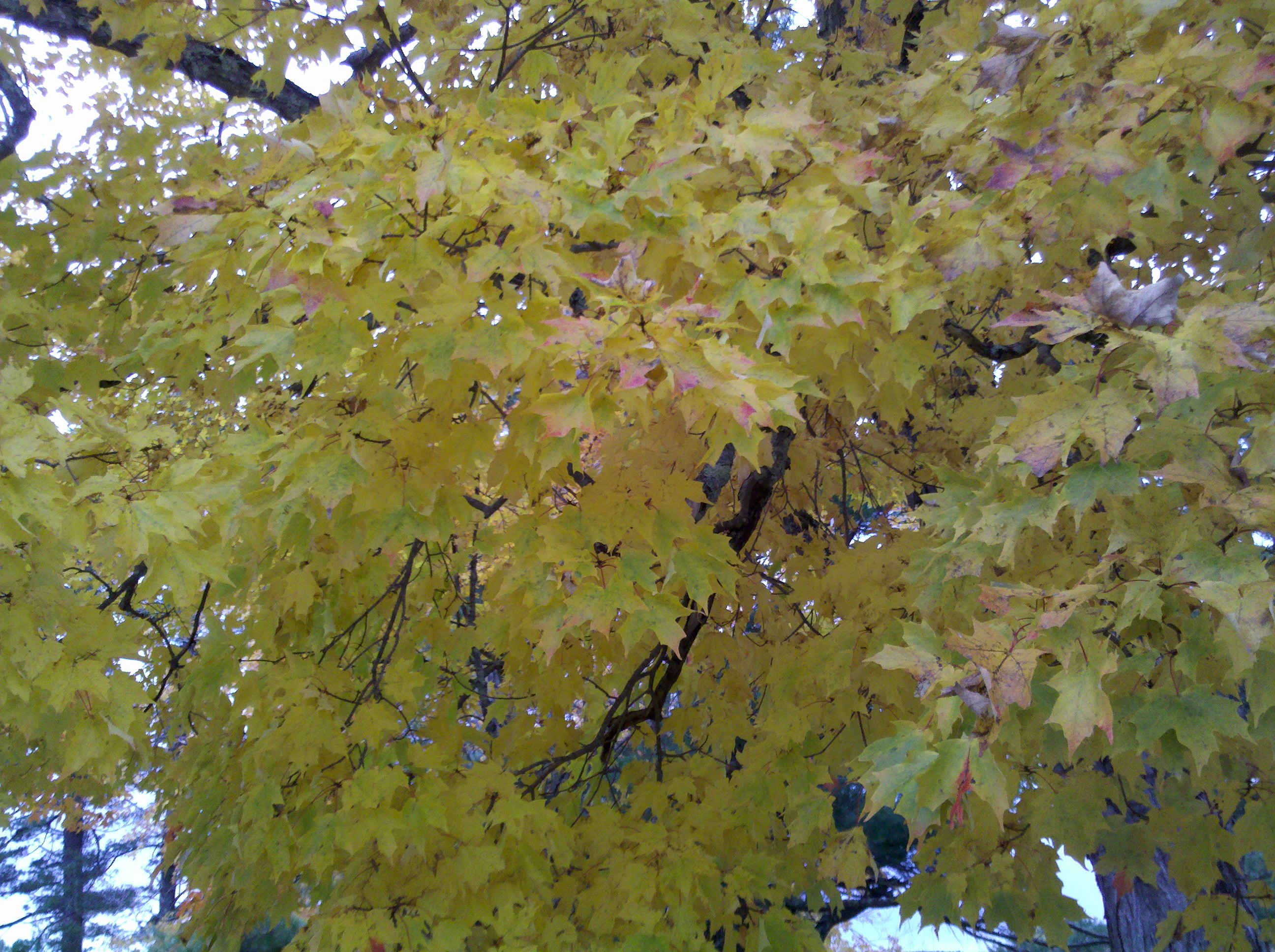
Maple flames to oak
Spanning green, yellow, russet
Red returning brown